
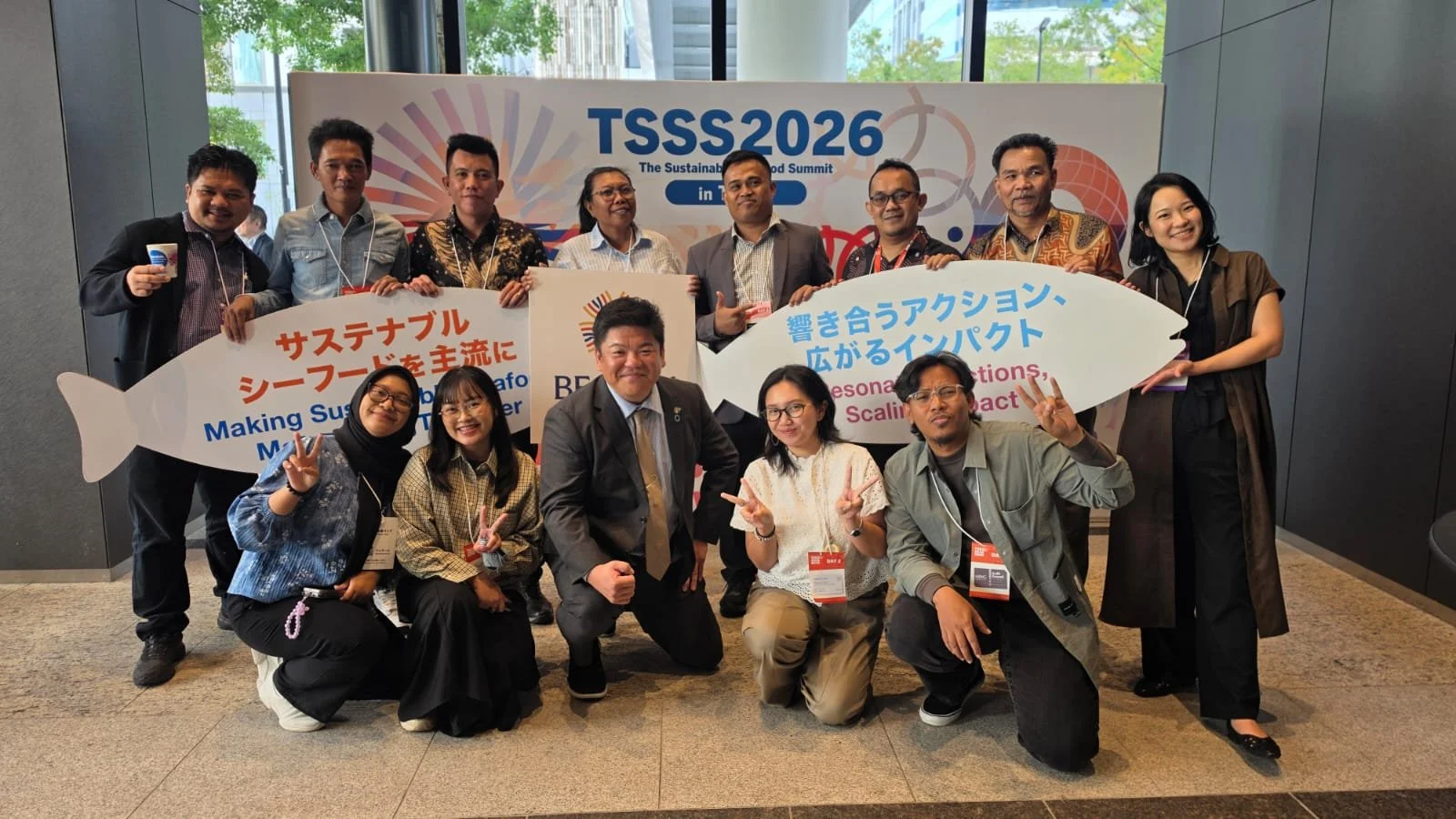
"No Sustainable Seafood Without Decent Work and Human Rights Protection for Fishers."
“From commitment to action, from collaboration to transformation—for a sustainable future for our oceans. Protecting the ocean today means safeguarding life for tomorrow.”
Take care of the oceans, protect the workers. True sustainability begins with justice for migrant fishers.”
BEBESEA and the Human Rights Working Group (HRWG) participated in the Sustainable Seafood Summit (TSSS) 2026, which took place from 20 to 23 October 2026 in Tokyo, Japan, together with representatives of Indonesian unions and organizations. Through out the week, we led and engaged in various activities to engage with industry stakeholders, exchange knowledge with cross-border civil society actors, and strengthen collective advocacy for greater business accountability and human rights protection throughout the seafood supply chain, including a series of panels and a keynote session focusing on human rights and labour rights with the overarching theme “The Voice of Dignity”.
The participation of nine representatives from Indonesian worker unions and organizations, was facilitated by BEBESEA and HRWG in collaboration with Seafood Legacy, one of the co-organizer of TSSS. Unions and organizations represented were Pejuang Suara Pelaut (PSP), Serikat Awak Kapal Transportasi Indonesia (SAKTI), Jangkar Karat Indonesia, Sahabat Perlindungan AKP & Nelayan (SPAN), Serikat Buruh Migran Indonesia (SBMI), Lembaga Informasi Perburuhan Sedane (LIPS). All of them represent and work closely with Indonesian migrant fishers and their families at home and in their destinations.
Held annually since 2015, TSSS is one of the largest sustainable seafood events in Asia, and continues to bring together stakeholders across the seafood industry, government agencies, and civil society to exchange experiences, knowledge and perspectives on sustainable seafood practices. In 2026, the summit placed greater emphasis on social responsibility alongside environmental sustainability, bringing human rights and labour issues further into industry discussions. This provided an opportunity for civil society working on these concerns and affected communities to engage industry stakeholders to provide them with experiences and information from the ground and promote rights-based approaches for sustainable seafood supply chains.
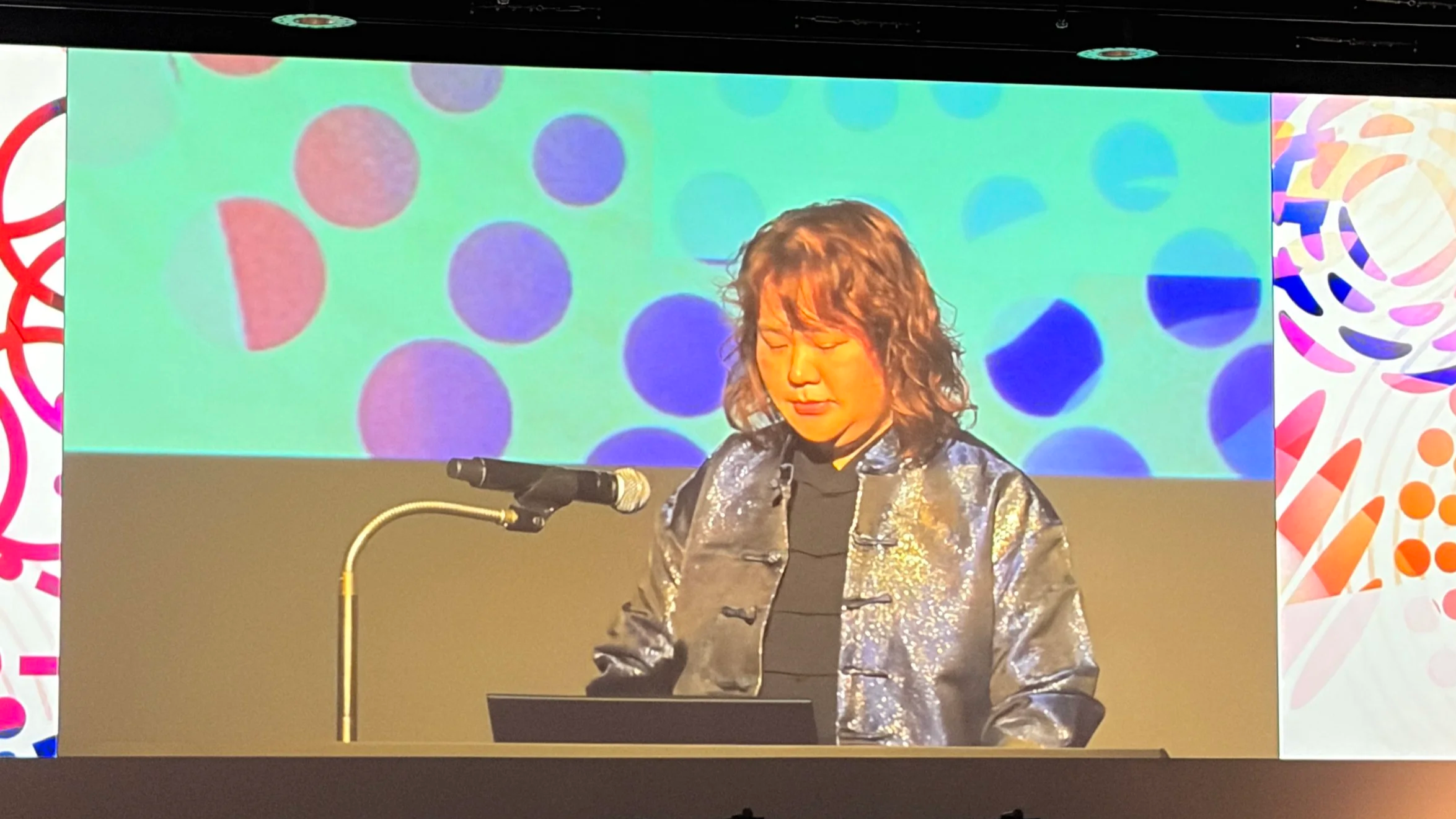
The summit opened its human rights section entitled “Voice of Dignity” with a keynote address by Pichamon Yophantong, an Asia-Pacific expert of the UN Working Group on Business and Human Rights (UNWG), titled “The Dignity Mandate: Why International Labor Standards are a Corporate Imperative.” Her remarks highlighted that sustainability in the seafood sector must extend beyond environmental considerations to include the rights, dignity, and working conditions of the people behind the industry.
“The true measure of sustainability lies not only with how we care for our oceans, but also with how we treat the people whose livelihoods depend upon them. For the seafood industry, these two dimensions of sustainability are inseparable.” - Pichamon Yophantong
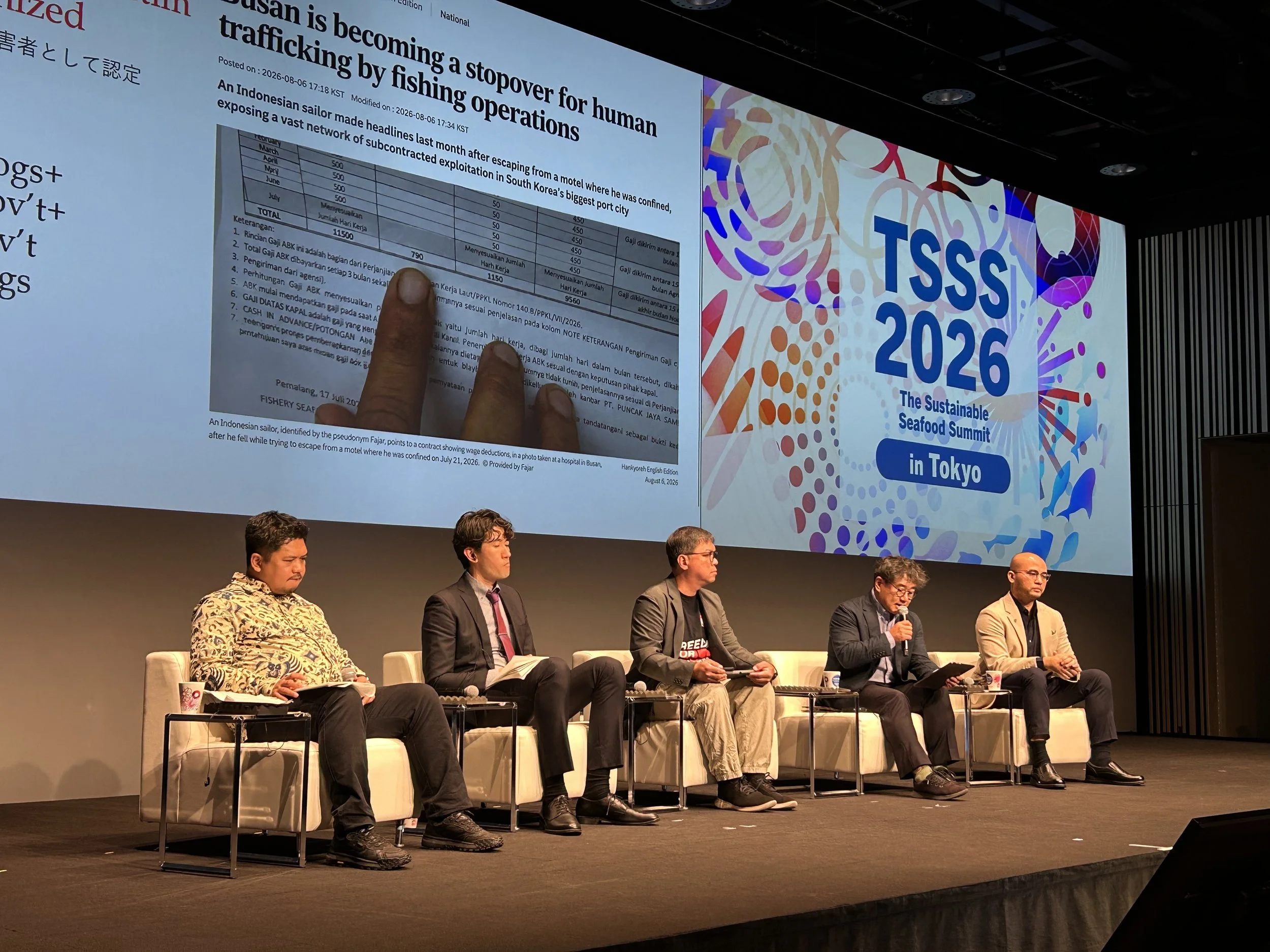
Following the keynote, HRWG’s Executive Director and BEBESEA’s Co-Founder, Daniel Awigra, moderated “The Voice of Dignity I: Elevating Human Rights at the Center of Seafood Business Operations,” bringing perspectives from civil society organizations working across Indonesia, Taiwan, and Japan. Representing different parts of the seafood supply chain and migration corridors, the panelists shared experiences and insights on existing protection mechanisms, the challenges faced by sea-based workers, and the role of civil society in advancing workers’ rights.
Drawing on experiences from Indonesia as a country of origin, alongside Taiwan and Japan as key destinations, fisheries hubs, and seafood markets, the discussion highlighted the importance of accessible and functioning protection mechanisms. The panel also explored how cross-regional collaboration among civil society organizations can help bridge gaps in protection, strengthen advocacy, and translate workers’ lived experiences into meaningful engagement with industry stakeholders.
The panel also included voices from the communities contributed by former indonesian fishers, now community leaders, working in South Korea and Taiwan, Ari Purboyo (Jangkar Karat Indonesia) and Ahmad Mudzakir (FOSPI), who shared the lived experiences of migrant fishers on the ground and calling for functioning protection mechanisms for workers. They also highlighted the importance of cross-country multiactor cooperations to uphold responsible business practices that protect human rights within the supply chain.
The discussions continued in “The Voice of Dignity II: Addressing Human Rights Risks in Supply Chains,” which explored how human rights risks can be addressed in practice across seafood supply chains focusing on good practices from goverments and businesses in collaboration with multi-stakeholders. Together, the sessions underscored the importance of integrating human rights into industry-wide sustainability efforts and recognizing the shared responsibility of all stakeholders in addressing risks and advancing decent work.
Prior to the summit, HRWG, BEBESEA, and Seafood Legacy co-facilitated a roundtable social dialogue between the Indonesian union leaders and sustainability practitioners from major Japanese seafood companies.For the first time of its kind, the dialogue served as a bridge and opportunity for direct exchange between industry stakeholders and workers’ organizations, bringing workers’ perspectives and their real-life experiences.
Our participation in TSSS 2026 became an important avenue to continue our work to strengthen cross-border civil society engagement and solidarity, connecting community-based experiences with broader discussions on Business and Human Rights. Through co-learning processes with the communities, we collectively created a pathway for their voices to reach discussions shaping the seafood industry they are part of. The engagement also broadened networks, perspectives, and knowledge, providing further opportunities to strengthen collective human rights advocacy.
By facilitating dialogue, exchange, and collaboration, our initiative seeks to ensure that the rights and dignity of sea-based workers remain central to efforts toward a more sustainable and responsible seafood industry.
