
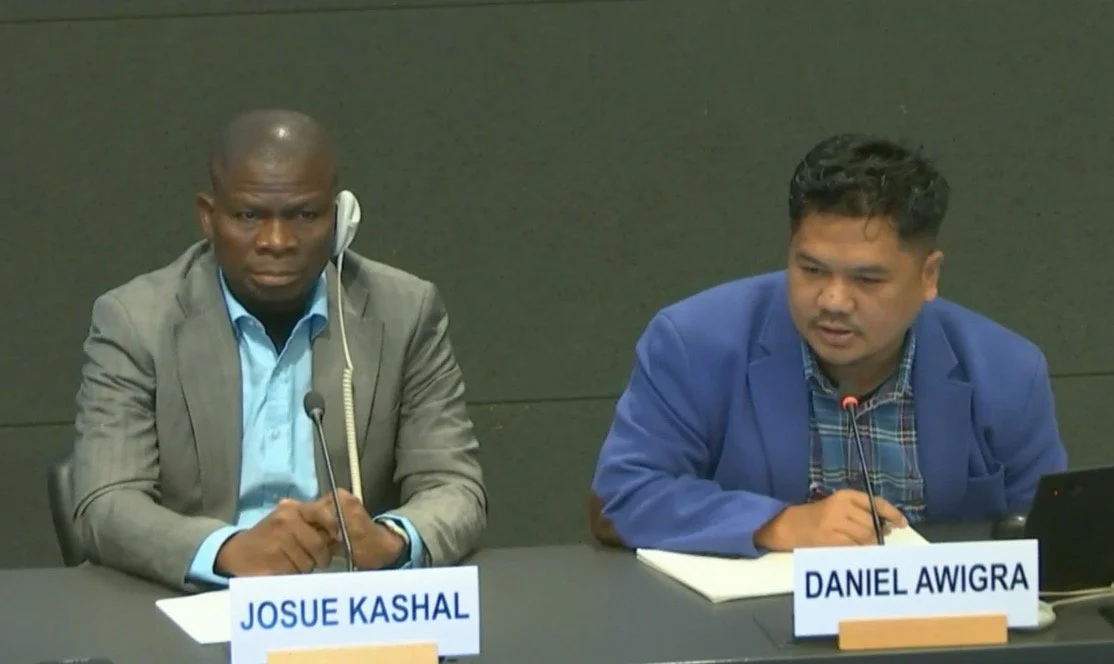
Daniel Awigra, Executive Director of HRWG and Co-Founder of BEBESEA participated in the 2026 UN Forum on Business and Human Rights, taking place in Geneva, Switzerland, from 23–25 November 2026. Daniel joined as a speaker in the session “SMEs and Human Rights in Practice: Confronting Informal Labour and Supply Chain Risks”, held on 23 November 2026, from 3:00 to 4:20 PM Central European Time (CET).
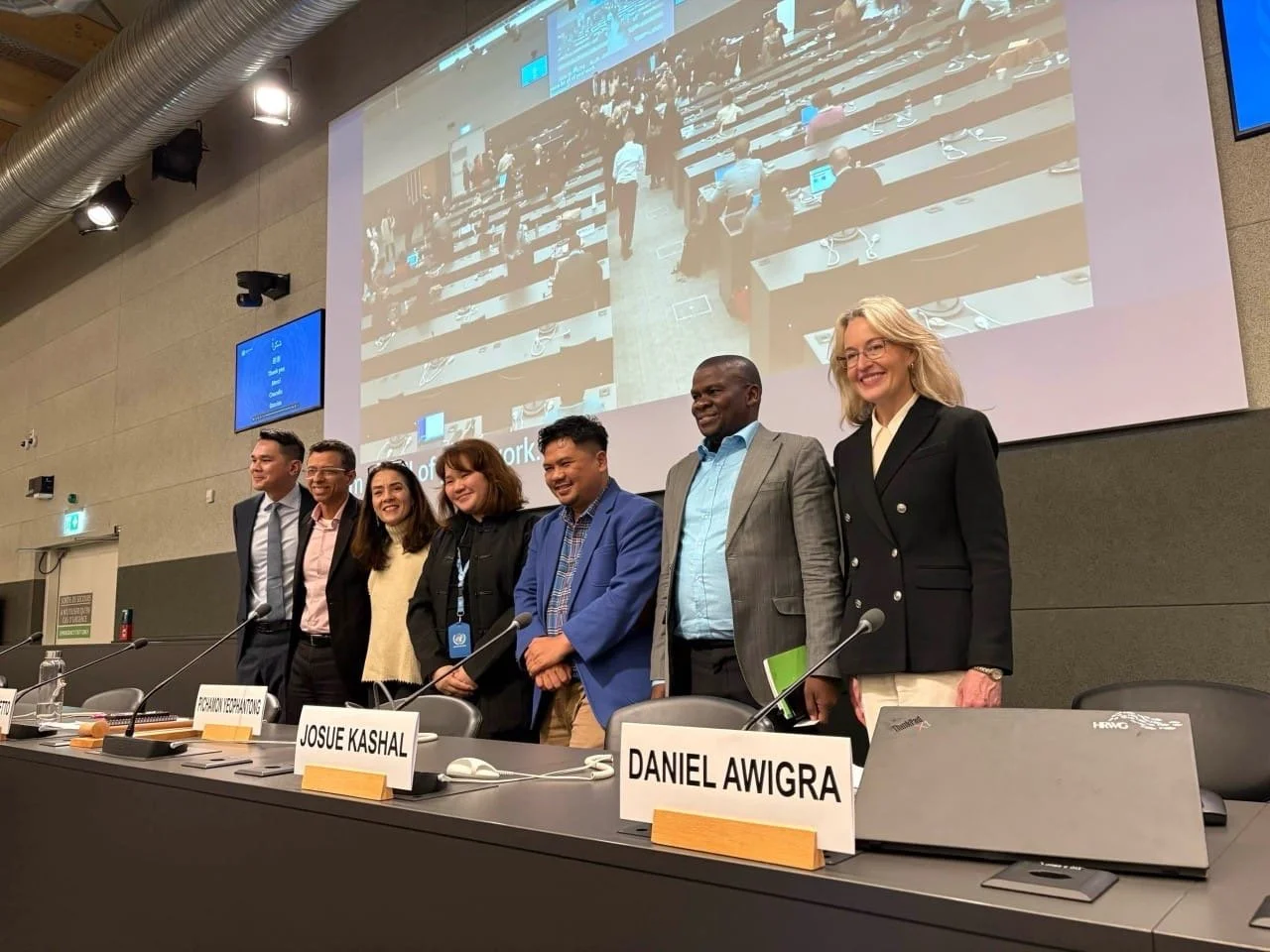
The session was moderated by Pichamon Yeophantong, Member of the UN Working Group on Business and Human Rights. The keynote speech was delivered by H.E. Jane Duke, Ambassador to Counter Modern Slavery, People Smuggling and Human Trafficking, Australia Department of Foreign Affairs and Trade. Other speakers in the panel included Katia Micheletto from L'Occitane en Provence; and Josue Kashal from Centre d’aide juridicojudiciaire (CAJJ).
The panel brought diverse perspectives and experiences to discuss practical approaches to addressing human rights risks among SMEs and strengthening accountability throughout global supply chains.
The discussion explored the human rights challenges faced by small and medium-sized enterprises (SMEs), particularly in relation to informal labour, workers' rights, and human rights risks across supply chains. It also examined how SMEs can strengthen their human rights practices while addressing structural challenges, including informal employment, subcontracting arrangements, and limited access to effective protection mechanisms.
“Buyers must go beyond Tier-1 audits, engage recruitment systems in origin countries, and ensure their purchasing practices and EPP requirements do not simply shift costs and risks onto SMEs. It starts with listening and learning from the experiences of those impacted in the upstream of the supply chain,” Awigra said.
Through these engagements, we bring perspectives from Indonesia and Southeast Asia into global discussions on business and human rights, highlighting how informal recruitment and employment and complex supply chains can expose workers, particularly migrant and other vulnerable workers, to exploitation, unsafe working conditions, and inadequate protection.
Earlier in this year, HRWG, together with BEBESEA, participated in the 8th UN Responsible Business and Human Rights Forum (UNRBHR Forum) Asia-Pacific 2026, held on 14–17 September 2026 in Bangkok, Thailand. Under the theme “Building Resilience, Advancing Rights,” the forum brought together representatives from governments, businesses, civil society organisations, trade unions, and affected communities to advance the Business and Human Rights (BHR) agenda, strengthen Human Rights Due Diligence (HRDD), and promote corporate accountability and access to remedy for victims of business-related human rights abuses.
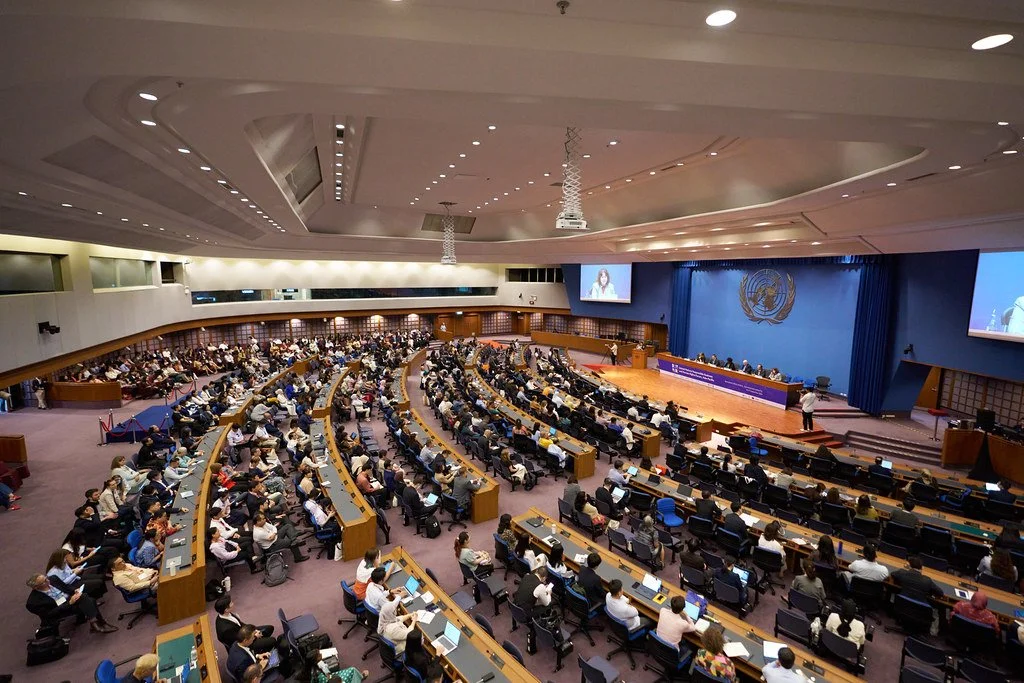
During the forum, HRWG and BEBESEA also took part in several thematic sessions that provided valuable insights into the challenges and opportunities for advancing responsible business practices across Asia. These included discussions on improving migrant workers’ access to remedies, particularly for those working at the bottom of supply chains in Thailand’s seafood, manufacturing, and garment industries; strengthening collaboration between states and market actors to promote responsible seafood supply chains and better protection for migrant fishers; and exploring the integration of human rights into China’s evolving responsible business agenda, particularly in the context of green transition and digital transformation.
Across these discussions, a common concern emerged: the persistent gap between human rights commitments and their implementation in practice. The experiences shared by migrant workers in Thailand demonstrated that having legal protections and even winning labour disputes do not necessarily guarantee justice, particularly when enforcement remains weak and employers evade their responsibilities. Similarly, corporate accountability cannot be limited to direct suppliers but must extend throughout the entire supply chain, ensuring that workers in the most vulnerable positions are included in human rights due diligence, monitoring, and remediation processes.
The discussions also highlighted the importance of stronger cross-border collaboration between countries of origin, destination countries, transition or flag states for sea-based workers, and market actors to address labour and human rights risks. Meanwhile, emerging challenges such as green transition and digital transformation further reinforce the need to integrate human rights into evolving business practices.
We look forward to continuing to engage with these platforms and collaborating with various stakeholders, promoting effective accountability mechanisms, expanding cross-border collaboration, and ensuring that the voices of affected communities remain central to decision-making processes.
